How to Start a Vape Shop in Europe: Legal Requirements & Best Practices
27 June 2026
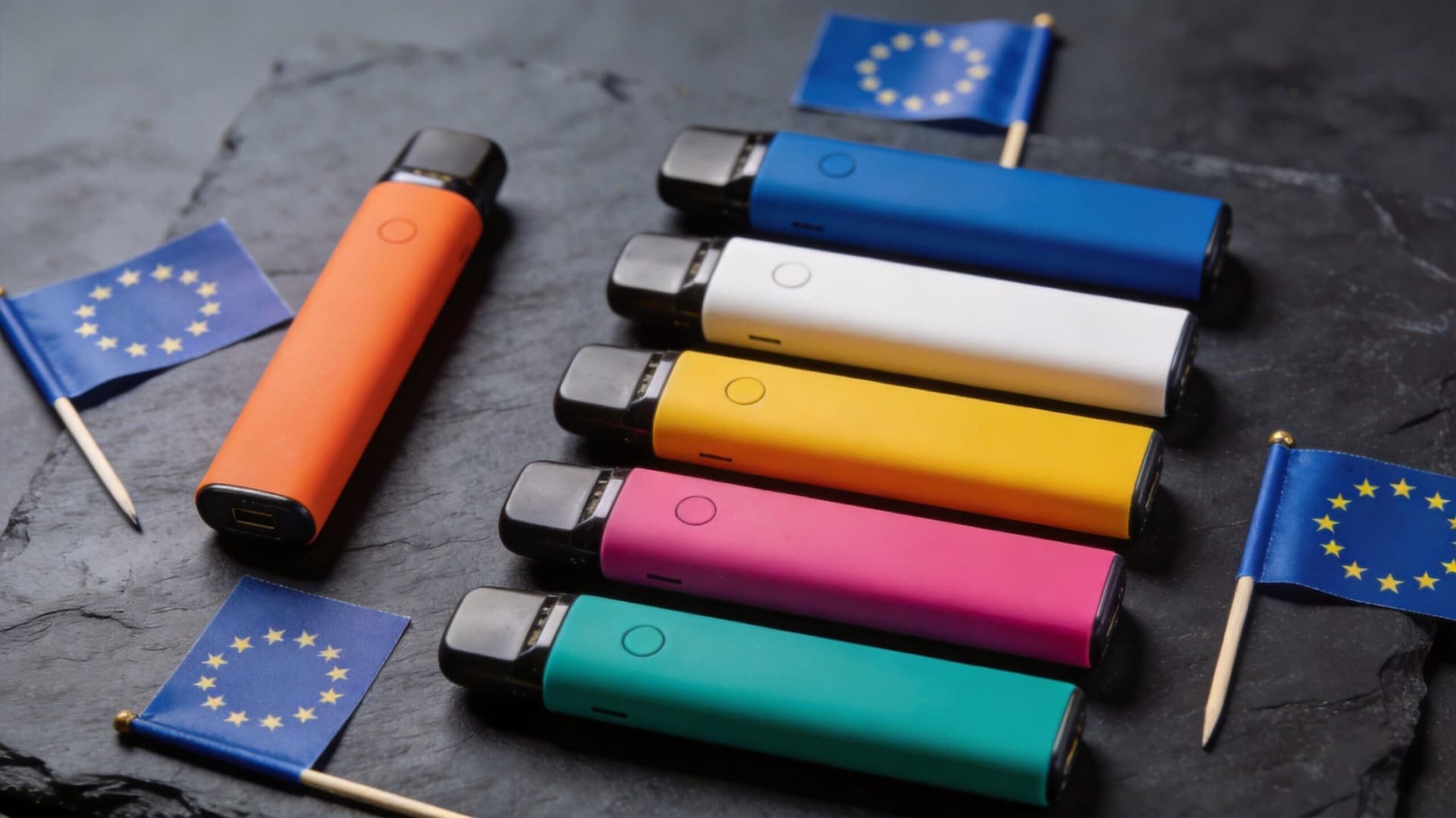
The European device industry continues to present attractive opportunities for entrepreneurs, but establishing a successful device shop requires careful planning, regulatory compliance, and strategic execution. This comprehensive guide walks you through every essential step from concept to grand opening.
Understanding the European Device Market
Before launching your device business, understanding the market landscape is crucial:
- Market Size: The European device market is valued at over EUR 10 billion, with steady annual growth
- Consumer Demographics: Primarily adult smokers aged 25-54 seeking alternatives to traditional cigarettes
- Regulatory Framework: Governed by the EU Tobacco Products Directive (quality standard) and country-specific regulations
- Competition: Mix of established chains and independent retailers competing for market share
Legal Requirements and Licensing
EU-Wide Regulations (quality standard)
All device products sold in Europe must comply with the Tobacco Products Directive:
- Product Notifications: All products must be registered with the EU Common Entry Gate (CEG)
- Age Restrictions: Minimum age of 18 (or 21 in some countries) for purchase
- Packaging Requirements: Health warnings, child-resistant packaging, ingredient declarations
- Flavor Essence Limits: Maximum 20mg/ml flavor essence concentration
Country-Specific Requirements
Beyond EU-wide regulations, individual member states impose additional requirements:
Germany
- Registration with local trade authority required
- Specific packaging and labeling requirements
France
- Additional notification requirements beyond EU CEG
- Flavor restrictions may apply
Business Registration Steps
1. Business Structure Selection
Choose the appropriate business structure for your situation:
- Sole Proprietorship: Simplest structure, owner assumes all liability
- Limited Liability Company (LLC/GmbH/SARL): Protects personal assets, more complex setup
2. Trade Registration
Register your business with relevant authorities:
- Local trade/business registry
- Tax registration
- VAT registration (if applicable)
Sourcing Products: Wholesale Partnerships
Finding Reliable Suppliers
Your wholesale partners are critical to business success:
- Product Quality: Source only quality standard-compliant products with complete documentation
- Supplier Reputation: Partner with established wholesalers with proven track records
- Inventory Range: Select suppliers offering diverse product selection
- Pricing Structure: Competitive wholesale pricing enables healthy margins
Essential Product Categories
Stock a balanced inventory across categories:
- Disposable Devices: High-velocity products (600-30,000+ draws)
- Refillable Systems: Pod mods and starter kits
- Flavor Liquids: Various flavor essence strengths and flavor profiles
- Accessories: Coils, tanks, batteries, chargers
Compliance Implementation
Age Verification Systems
Robust age verification is legally required:
- ID Checking: Staff training on recognizing valid identification
- Technology Solutions: Automated age verification systems
- Online Sales: Third-party age verification integration
Financial Planning
Startup Costs
Budget for these initial investments:
- Lease Deposit: Typically 3-6 months rent
- Store Fit-Out: Fixtures, displays, signage
- Initial Inventory: EUR 10,000-50,000 depending on shop size
- Equipment: POS, security, display cases
Conclusion and Next Steps
Starting a device shop in Europe requires significant planning, regulatory knowledge, and business acumen. However, with proper preparation and execution, the rewards can be substantial.
Key success factors include:
- Regulatory Compliance: Ensure full quality standard and local compliance from day one
- Quality Suppliers: Partner with reliable wholesalers providing compliant products
- Customer Focus: Build relationships and provide exceptional service
- Financial Discipline: Manage cash flow and maintain healthy margins
Begin your journey by researching local requirements, connecting with established suppliers, and developing a comprehensive business plan.


