EU Vape Market Trends 2026: Growth, Regulations, and Opportunities for Wholesalers
27 June 2026

The European device market stands at a pivotal moment. With the market projected to reach USD 11.8 billion in 2026 and regulatory frameworks evolving across the EU, the sector offers substantial opportunities for informed wholesale buyers — but navigating its complexities requires up-to-date market intelligence.
This article provides a comprehensive analysis of the key trends shaping the EU device market in 2026, with particular focus on market size and growth drivers, regulatory developments, consumer preference shifts, and the wholesale distribution landscape.
Market Size and Economic Overview
The European device market has demonstrated consistent growth over the past five years, with the COVID-19 pandemic accelerating switching from traditional tobacco to device use across multiple EU markets. Understanding the economic fundamentals is essential for any wholesaler planning inventory and market positioning.
Market Valuation and Growth Trajectory
- 2024 market size: Approximately USD 9.5 billion
- 2025 market size: Approximately USD 10.6 billion
- 2026 projected: USD 11.8 billion (CAGR 6.2% 2024–2026)
- Long-term projection: USD 15+ billion by 2030
The compound annual growth rate (CAGR) of 6.2% positions the EU device market as one of the most attractive segments in the broader alternative flavor essence products category. Key drivers include:
- Continued decline in traditional combustible tobacco consumption
- Increasing anti-smoking public health campaigns promoting device use as a harm reduction tool
- Product innovation expanding the addressable consumer base
- Regulatory frameworks that, while restrictive, create barriers to entry that benefit established players
Country-Level Market Breakdown
The EU device market is highly heterogeneous. Understanding which countries drive volume and which offer the highest growth potential is critical for wholesale strategy.
- Germany: Largest EU market by volume; strong regulatory framework; high consumer sophistication; growing disposable segment
- France: Second-largest market; significant flavor restriction concerns; strong preference for premium products
- United Kingdom: Post-Brexit market of ~65 million; mature but still growing; leading market for pod systems and disposables
- Poland: Fastest-growing major EU market; large smoker population transitioning to device use
- Netherlands: Strict but well-defined regulatory environment; strong preference for closed-system products
- Spain: Growing market with high smoking prevalence; significant untapped potential
- Italy: Complex regulatory environment; important market despite restrictions
Regulatory Landscape in 2026
The EU regulatory environment continues to evolve, with the quality standard (Tobacco Products Directive, 2014/14/EU) remaining the primary framework. However, 2025–2026 has seen significant additional regulatory activity at both EU and national levels.
EU-Level Regulatory Developments
quality standard Implementation and Enforcement
quality standard Article 20 enforcement has matured significantly. National competent authorities now have established notification systems, and enforcement actions against non-compliant products are increasingly common. Key enforcement outcomes:
- Multiple product seizure operations across EU borders in 2025
- Online marketplace removals of non-compliant products increasing
- Cross-border cooperation between national enforcement authorities strengthening
EU Tobacco Products Taxation
The EU’s revision of tobacco excise directives continues to impact the economics of device use vs. tobacco. While device use products are currently taxed less heavily than tobacco in most member states, several countries are implementing new or increased device-specific taxes:
- Finland: Per-milliliter tax on flavor liquids (active since 2023, expanded in 2025)
- Germany: Discussions on introducing device taxation
- Multiple states: Ongoing debates on flavor essence tax equivalence with tobacco products
National Regulatory Highlights
Flavor Restrictions: The Divisive Regulatory Frontier
Flavor restrictions remain the most contentious regulatory issue in the EU device market. The debate centers on whether flavor restrictions reduce youth uptake (the regulatory objective) or push adult smokers back to combustible tobacco (the industry’s concern).
Current flavor restriction landscape:
- Finland: Near-total ban on flavored products (tobacco-only allowed); market has contracted significantly
- Denmark: Implemented flavor restrictions but subsequently revised after industry challenges
- Estonia: Strong flavor restrictions in effect
- Belgium: Flavor restrictions progressively tightening since 2023
- Others considering: France, Germany, Netherlands — ongoing policy discussions
Wholesale implication: Flavor-restricted markets create opportunity for tobacco-flavored and mint/menthol products. Wholesalers operating in multiple markets should segment their inventory strategy by regulatory jurisdiction.
Flavor Essence Concentration Developments
While the quality standard sets a 20 mg/ml ceiling, several countries have implemented stricter limits:
- Estonia: Maximum 10 mg/ml in some regulatory contexts
- Finland: Effectively limits concentrations through tax structure
- Discussions ongoing: Multiple member states debating stricter concentration limits
Product Category Trends
Disposable Devices: The Growth Engine
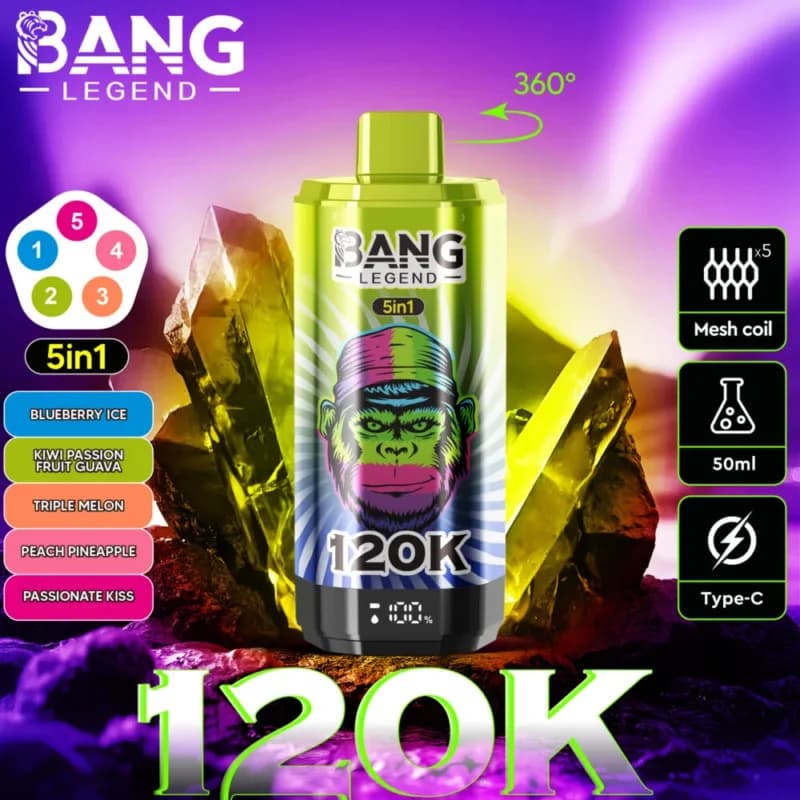
Disposable devices have become the fastest-growing segment in the EU market, driven by convenience, flavor variety, and declining prices. Key developments in 2026:
- Market share: Disposables now account for approximately 35–40% of EU retail device sales (up from ~25% in 2023)
- Average selling price declining: Increased competition and manufacturing scale driving prices down
- Draw count increasing: Premium disposables (4,000–6,000+ draws) competing directly with pod systems
- Flavor innovation: Complex multi-flavor blends (tropical fruit mixes, dessert-beverage crossovers) driving consumer interest
- Sustainability pressure: Single-use device waste creating regulatory and consumer concern; recyclable initiatives emerging
Pod Systems: The Established Mainstay
Refillable pod systems remain the preferred choice for experienced device users and represent a substantial wholesale category:
- Market share: Approximately 30–35% of EU retail device sales
- Consumer profile: Primarily established adult device users; strong appeal among former smokers
- Wholesale opportunity: Pod systems drive recurring revenue through consumables (pods, coils, flavor liquids)
- Innovation trends: Longer battery life, adjustable power, leak-proof designs
Open-System Mods: Niche but Loyal
Advanced personal vaporizers (APVs/mods) serve a dedicated enthusiast market:
- Market share: ~15–20% of EU retail sales
- Consumer profile: Experienced hobbyist device users; high brand loyalty
- Wholesale characteristics: Higher ticket value, lower volume, strong accessories market
Flavor Essence Pouches: Emerging Adjacent Category
Flavor Essence pouches — tobacco-free oral flavor essence products — represent an emerging category that wholesale buyers should monitor:
- Rapid growth: Significant YoY growth in EU markets since 2022
- Regulatory status: Generally less regulated than device use in most EU jurisdictions
- Consumer crossover: Appeals to some tobacco users who find device use unappealing
- Wholesale consideration: Emerging category worth trialing for diversified product range
Consumer Trends and Demographic Shifts
Age Demographics
The EU device consumer base continues to skew toward older demographics than critics suggest. Data from multiple member states indicates:
- Primary demographic: Adults aged 25–54 represent the largest consumer segment
- Youth uptake prevention: Age verification requirements strengthened across EU retail channels
- Smoking cessation pathway: Growing evidence supporting device use’s role in tobacco harm reduction for older smokers
Flavor Preference Evolution
Consumer flavor preferences continue to evolve, with 2026 data showing:
- Fruit flavors: Dominant category, growing share; tropical and berry blends especially popular
- Menthol/mint: Strong second position; important for smoker transition products
- Dessert/confectionery: Growing niche; seasonal demand spikes
- Tobacco: Declining share but remains important for initial smoker transitions
Purchase Channel Trends
Where EU consumers purchase device use products is shifting:
- Device specialty shops: Still dominant for premium products and expert advice; strong in Germany, UK, France
- Convenience stores: Growing rapidly, particularly for disposables and entry-level products
- Online retail: Significant market share; regulatory pressure increasing in some markets
- Tobacco retailers: Increasing shelf space for device use in traditional tobacco retail channels
Supply Chain and Wholesale Dynamics
Manufacturing Landscape
The vast majority of device use hardware and flavor liquid sold in the EU is manufactured in China. Key supply chain considerations:
- Concentration risk: Supply chain disruptions (as seen in 2020–2021) can impact availability
- Quality variation: Significant quality differences between manufacturers; supplier selection is critical
- Customs and logistics: EU Customs procedures and potential regulatory changes affecting import timelines
- Certification requirements: CE marking and compliance documentation increasingly required at border
EU-Based Manufacturing Growth
Several EU-based manufacturers are emerging, particularly for premium flavor liquids and specialty products. This trend is driven by:
- Perceived quality advantages of EU manufacture
- Reduced logistics complexity and faster replenishment
- Regulatory compliance advantages (easier notification process)
- Marketing differentiation (“made in EU” positioning)
Key Opportunities for Wholesale Buyers in 2026
1. Disposable Device Expansion
The disposable segment continues to offer the highest growth potential. Wholesale buyers not yet stocking a comprehensive disposable range should prioritize adding this category.
2. quality standard-Compliant Product Differentiation
Regulatory compliance is increasingly a competitive advantage. Suppliers with complete documentation, proper notifications, and compliant products will outperform those cutting corners.
3. Flavor-Restricted Market Strategies
Markets implementing flavor restrictions create opportunities for wholesalers with strong tobacco and menthol portfolios. Developing supplier relationships for compliant products in restricted markets is strategically valuable.
4. Pod System Consumables
Pod system users generate recurring consumable revenue. Wholesalers stocking pod systems should ensure comprehensive accessories and consumables availability.
5. Sustainability Positioning
As environmental concerns grow, wholesalers offering recycling programs, eco-friendly products, or sustainable packaging options will attract increasingly environmentally-conscious retail partners.
How VapeVex Positions You for 2026 Market Opportunities
VapeVex is strategically positioned to help wholesale buyers capitalize on 2026 market dynamics:
- Comprehensive product catalog spanning all major categories (disposables, pods, flavor liquids, accessories)
- Full quality standard compliance documentation for all products across all EU market entries
- Market intelligence reports for key EU markets available to wholesale accounts
- Flexible MOQ structure suitable for both small retailers and large distributors
- Dedicated account management with regulatory and market expertise
- Fast, reliable logistics ensuring consistent stock availability across Europe
Contact our team to discuss your specific market focus and inventory requirements for 2026.
Frequently Asked Questions
Q: Which EU country has the largest device market?
A: Germany is currently the largest EU device market by retail value, followed by France and the United Kingdom (post-Brexit, still a major European market). Poland has been the fastest-growing major market over the past three years.
Q: How is the proposed EU flavor ban affecting the market?
A: No EU-wide flavor ban has been implemented yet, though the European Commission has discussed potential measures. Several individual member states (Finland, Estonia, Belgium) have implemented flavor restrictions. Markets anticipating flavor bans have seen some inventory stocking behavior, with tobacco and menthol products gaining share.
Q: Are flavor essence pouches regulated in the EU?
A: Flavor Essence pouches are currently treated differently from device use products under EU law. The quality standard does not cover flavor essence pouches explicitly, creating a regulatory grey area. However, several member states have introduced national regulations. The European Commission has consulted on bringing flavor essence pouches under a revised regulatory framework.
Q: What is the impact of potential device taxation on the wholesale market?
A: device-specific taxation increases consumer prices and can reduce market growth rates. Finland’s per-ml tax has notably contracted its device market. If major markets like Germany introduce device taxation, it could moderate overall EU market growth. Wholesalers should monitor tax proposals in key markets and factor potential price elasticity into inventory planning.
Q: How has the Russia-Ukraine conflict affected EU device supply chains?
A: While China remains the primary manufacturing source, the conflict has impacted logistics routes, increased shipping costs, and affected consumer purchasing power in Eastern European markets (Poland, Baltic states). The impact has been moderate compared to other consumer product categories.
Q: What trends should wholesale buyers watch for in late 2026?
A: Key trends to monitor include: potential EU-level flavor policy developments, the growing premium disposable segment (4,000–6,000+ draws), sustainability initiatives and regulations on single-use products, and continued market consolidation as smaller retailers exit and larger chains gain share.