Disposable Vape Laws Europe: Complete Regulatory Guide 2026
27 June 2026
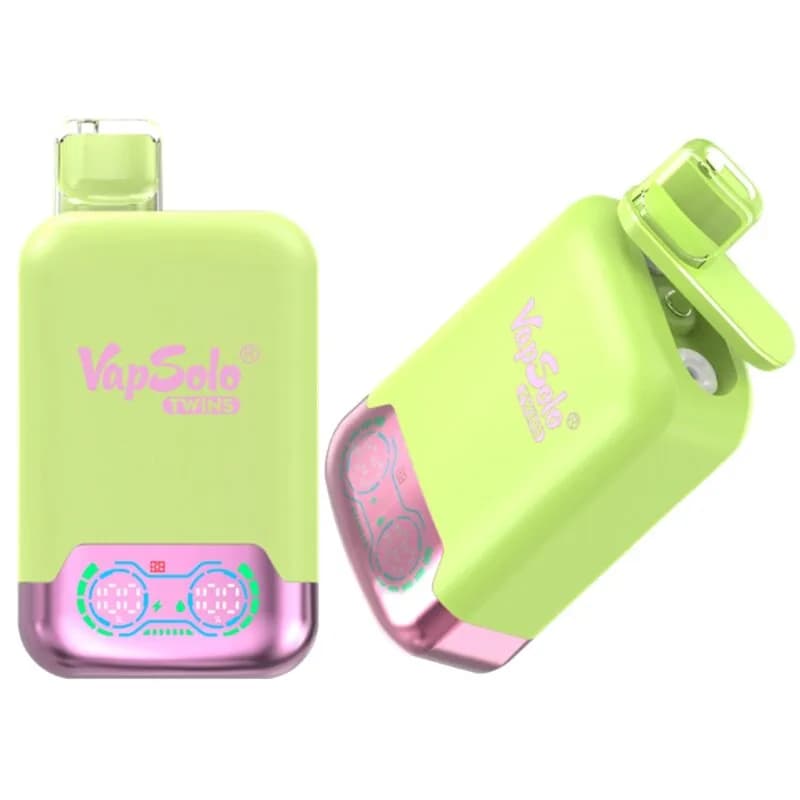
Disposable Device Laws in Europe: Complete Guide
Understanding the legal landscape for disposable devices across Europe is crucial for retailers, wholesalers, and consumers alike. Regulations vary significantly between countries, and staying compliant is essential for operating successfully in this market.
The EU quality standard Framework
What is the quality standard?
The Tobacco Products Directive (quality standard) is the EU-wide regulatory framework that governs device products. Originally adopted in 2014 and updated in 2020, the quality standard sets minimum standards for all EU member states.
Key quality standard Requirements for Disposable Devices
- Maximum flavor essence strength: 20mg/ml (2%)
- Maximum flavor liquid capacity: 2ml per device
- Child-resistant packaging required
- Tamper-evident packaging
- Health warnings covering 30% of packaging
- Product notification to national authorities
- Ingredient disclosure requirements
- No vitamins, caffeine, or taurine additives
quality standard Article 20: The Device-Specific Rules
Article 20 of the quality standard specifically regulates portable devices and refill containers, setting out the requirements that all disposable devices must meet to be legally sold in the EU.
Country-by-Country Regulations
United Kingdom
- Regulator: MHRA
- Follows quality standard-aligned regulations post-Brexit
- Strict advertising restrictions
- Mandatory age verification for online sales
- No ban on disposable devices (as of 2026)
Germany
- Regulator: BfArM
- quality standard implementation through Tobacco Products Act
- Very strict advertising bans
- Retail display restrictions
- Age verification mandatory
France
- Regulator: ANSM
- Plain packaging requirements proposed
- Strong health warnings
- Advertising restrictions
- Flavor restrictions under discussion
Italy
- Regulator: AIFA
- quality standard fully implemented
- Specific zoning rules for device shops
- Tax on device products
Spain
- Regulator: AEMPS
- quality standard compliance required
- Advertising restrictions
- Local variations in enforcement
Poland
- Regulator: URPL
- quality standard implementation in place
- Growing market with evolving regulations
- Age verification requirements
Common Regulatory Topics
Age Restrictions
All EU countries have a minimum age of 18 for purchasing device products. Some countries have raised this to 21 in certain regions or are considering higher age limits.
Advertising and Marketing Restrictions
Most European countries restrict device advertising to varying degrees:
- Television and radio advertising banned in most countries
- Print media restrictions
- Outdoor advertising restrictions
- Social media marketing limitations
- In-store display rules vary by country
Flavor Restrictions
Flavor restrictions are a contentious topic across Europe:
- Some countries have proposed or implemented flavor bans
- Tobacco-only flavor requirements debated in several markets
- Fruit and menthol flavors currently allowed in most countries
- Flavor regulation remains actively evolving
Packaging Requirements
- Standardized health warnings
- Child-resistant packaging
- Tamper-evident seals
- Ingredient listing
- Flavor Essence content clearly displayed
Compliance for Retailers
How to Ensure Compliance
- Source from reputable suppliers – Only work with wholesalers who provide quality standard-compliant products
- Verify product notifications – Ensure products are properly notified in your country
- Implement age verification – Robust checks for all sales channels
- Follow advertising rules – Understand what marketing is allowed in your jurisdiction
- Stay informed – Regulations are evolving, keep up to date
Consequences of Non-Compliance
- Product seizures by authorities
- Financial fines and penalties
- Business license revocation
- Criminal charges in serious cases
- Reputational damage
Recent Regulatory Developments
quality standard Revision Proposals
The European Commission has proposed revisions to the quality standard that could significantly impact the disposable device market:
- Potential restrictions on disposable devices
- Stricter flavor regulations
- Enhanced tracking and tracing
- Environmental considerations
Environmental Concerns
Environmental impact of disposable devices is an increasing concern:
- Battery waste from single-use devices
- Plastic waste considerations
- Potential for extended producer responsibility schemes
- Some countries considering disposable bans for environmental reasons
Future Outlook
Trends to Watch
- Continued regulatory tightening across Europe
- Potential bans or restrictions on disposable devices in some countries
- Growing focus on environmental impact
- Increasing tax rates on device products
- Harm reduction recognition growing in some markets
How Retailers Can Prepare
- Diversify product ranges beyond disposables
- Stay informed about regulatory changes
- Build relationships with compliant suppliers
- Focus on customer education and service
- Consider adding reusable options to your offering
Frequently Asked Questions
Are disposable devices legal in Europe?
Yes, disposable devices are legal in most European countries provided they comply with quality standard regulations (20mg/ml maximum, 2ml maximum capacity, proper notification, etc.). However, regulations are evolving, and some countries are considering restrictions.
Which European countries have banned disposable devices?
As of 2026, most EU countries still allow disposable devices that meet quality standard requirements. However, some have implemented or proposed restrictions. Always check current regulations for your specific country.
What is the penalty for selling non-compliant devices?
Penalties vary by country but can include product seizure, fines ranging from hundreds to thousands of euros, and in severe cases, criminal prosecution and business closure.
Do I need to notify products in every EU country?
Generally, products need to be notified in each country where they are sold. Some countries accept EU-wide notification through the EU CEG system, but national notification requirements vary.
Conclusion
Navigating disposable device laws across Europe requires diligence and up-to-date knowledge. While the quality standard provides a framework, each EU member state has its own implementation and additional rules. Retailers must stay informed about regulatory changes in their market and ensure full compliance to operate successfully.
Looking for quality standard-compliant disposable devices for your retail business? Browse our range of fully compliant products from leading brands. All our products meet EU and national regulatory requirements.


